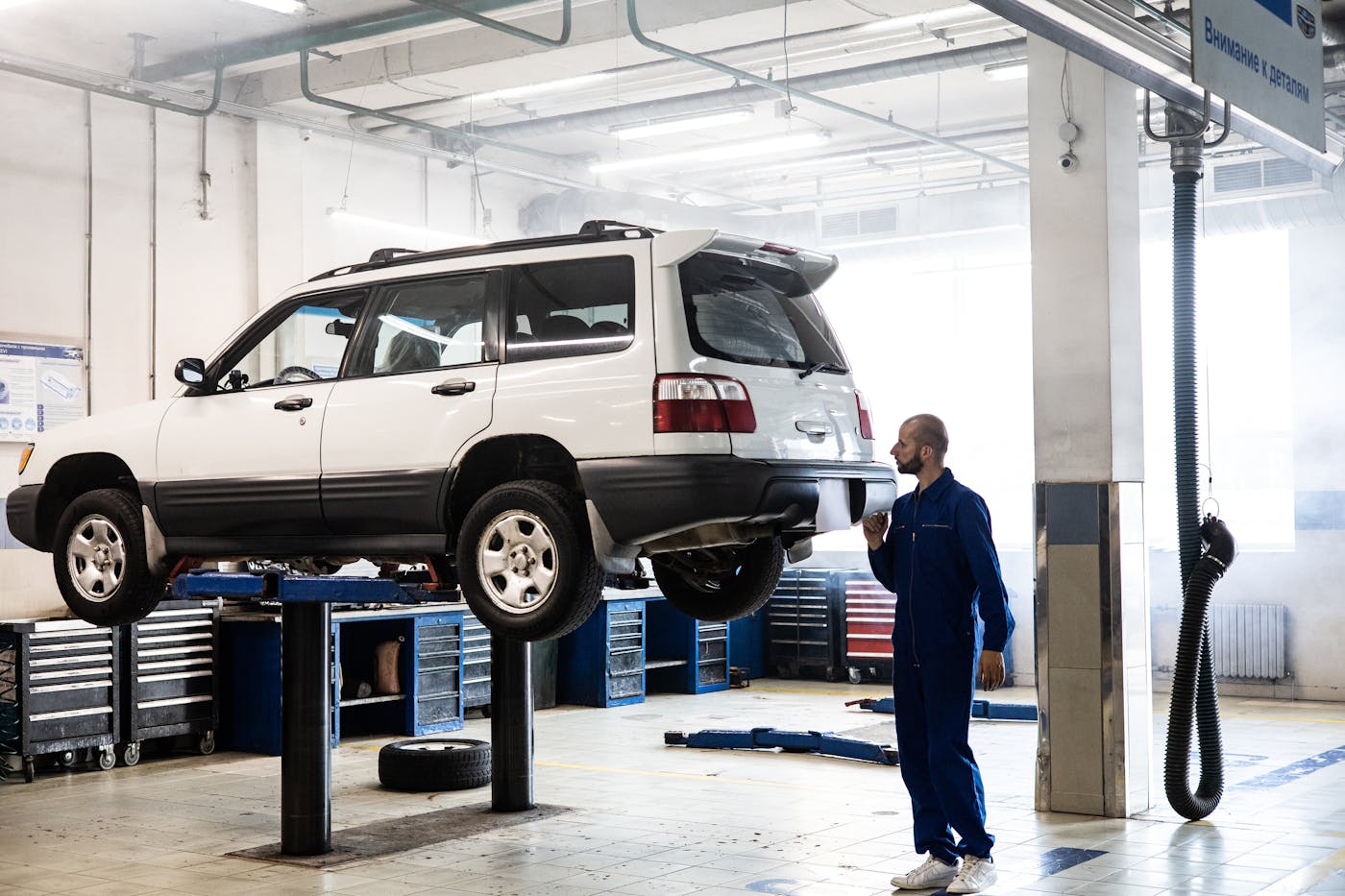
We work on Japanese vehicles every single day at our Raleigh shop. Toyotas, Hondas, Subarus, Nissans, Mazdas — they roll through our bays more than anything else. And yes, they earned their reputation. These cars are reliable. But “reliable” does not mean “invincible.”
Every brand has patterns. Specific engines with known issues. Transmissions that need attention at certain mileage points. Components that wear out faster than they should. We see it all. This is what we actually deal with in the shop — not what the marketing brochures say.
Toyota: The Gold Standard (With a Few Asterisks)
The Camry and Corolla are the cars we see least for major repairs. They just keep going. A Corolla with 200,000 miles on regular oil changes is more common than you'd think around here. The 2GR V6 in the Camry and Avalon is one of the best engines Toyota has ever made.
But the 2AZ-FE four-cylinder (2007-2011 Camry, RAV4, Scion tC) has a known oil consumption problem. Toyota even extended warranties on some of these. If you own one, check your oil between changes — don't just wait for the light to come on. The V6 models also tend to need water pump replacements around 80,000-100,000 miles. Not a catastrophic failure, but it's a $400-$600 job if you catch it before it overheats.
Tacomas and 4Runners? Mechanically tough. The 1GR V6 is solid. The biggest issue we see is frame rust on older models, though that's less of a problem here in North Carolina than up north.
Honda: Reliable Engines, Some Newer Concerns
The Civic and Accord are workhorses. The older K-series and R-series engines are virtually bulletproof with basic maintenance. We have customers driving 2008-2012 Civics with well over 200,000 miles, and the engines still run clean.
The newer 1.5-liter turbo (2016+ Civic, CR-V, Accord) is a different story. Honda had a well-documented oil dilution issue in colder climates where fuel would mix with the engine oil. They issued software updates, but we still see owners who don't change their oil often enough and end up with diluted oil that doesn't protect the engine properly. If you have one of these, shorter oil change intervals are a smart move.
The other common Honda issue: VTC actuator rattle on cold start. That ticking noise for the first few seconds when you start a 2008-2015 Accord or CR-V? That's the variable timing control actuator. It's not an emergency, but it gets worse over time and eventually needs replacement.
Subaru: Great AWD, Head Gasket History
Subaru's all-wheel-drive system is genuinely excellent. For Raleigh drivers who head to the mountains in winter or just want extra traction on wet roads, there's a reason Subarus are everywhere around here.
The elephant in the room is the EJ25 engine (2.5-liter boxer, used through 2019 in various models). Head gasket failures on these engines are not a question of “if” but “when.” The earlier versions (1999-2010) used a single-layer head gasket that leaked externally. Later versions improved, but we still see them come in with head gasket issues between 100,000-150,000 miles.
The newer FA and FB engines (2012+ Impreza, Crosstrek, Forester) are significantly better. The head gasket issue is largely solved. Oil consumption on early FA20 engines was a concern, but Subaru addressed it in later production runs.
Nissan: Great Engines, Transmission Trouble
Nissan's VQ-series V6 is legendary. The 3.5-liter in the Maxima, Altima, Pathfinder, and 350Z/370Z is powerful and durable. We rarely see major engine problems with these.
The issue is the CVT (continuously variable transmission) in four-cylinder models. The Altima, Sentra, Rogue, and Versa have used Jatco CVTs that develop shuddering, overheating, and premature failure — sometimes before 100,000 miles. Nissan extended warranties on some model years, but many owners are past those windows now. If your Nissan's CVT is acting up — hesitating, jerking, or the RPMs are surging — get a transmission diagnostic sooner rather than later. Early fluid changes help, but they won't fix a unit that's already failing.
Mazda: The Underrated Pick
Mazda doesn't get the same reliability buzz as Toyota or Honda, but they should. The SKYACTIV engine and transmission combination (2012+) has been remarkably trouble-free. We see fewer major issues with modern Mazdas than almost any other brand.
The one catch: older Mazdas with the MZR 2.3-liter (Mazda3, Mazda5, CX-7) can develop carbon buildup on the intake valves, especially the turbocharged CX-7 version. Direct injection engines don't wash the valves with fuel the way port injection does, so carbon accumulates. Symptoms include rough idle and loss of power around 80,000-100,000 miles.
Hyundai and Kia: Dramatically Improved, But Watch the Theta II
We include Hyundai and Kia here because many people group them with Japanese brands (they're Korean, but the question comes up constantly). The quality improvement over the last decade has been massive. The current Tucson, Sportage, Telluride, and Palisade are genuinely competitive with anything from Japan.
The big concern is the Theta II engine family (2.0L and 2.4L, used 2011-2019 in the Sonata, Optima, Tucson, Sportage, and Santa Fe). Manufacturing debris left in the crankshaft led to bearing failures and engine seizures. There have been massive recalls and a class-action settlement. If you own one of these, make sure your VIN is covered and get the software update that monitors for bearing failure. And keep up with oil changes religiously.
Own a Japanese or Asian vehicle in Raleigh? We specialize in them.
From routine maintenance to engine and transmission work, our shop handles Toyota, Honda, Subaru, Nissan, Mazda, Hyundai, and Kia every day. Learn about our Japanese auto repair services.
Call (984) 254-5642The Bottom Line: Maintenance Matters More Than Brand
Here's what we tell every customer: the brand on the hood matters less than what you do with the maintenance schedule. A Toyota that never gets its oil changed will die before a Nissan that's been maintained on time, every time.
The most reliable car is the one that gets regular oil changes, has its transmission fluid serviced on schedule, and gets problems addressed when they're small. We see well-maintained vehicles with 250,000+ miles running strong. We also see neglected vehicles with 80,000 miles that need $3,000 in work.
Japanese cars give you a longer runway for reliability, but they still need care. If you're driving one of these vehicles around Raleigh and want to keep it running as long as possible, stick to the maintenance intervals and don't ignore warning signs. That's the real secret.