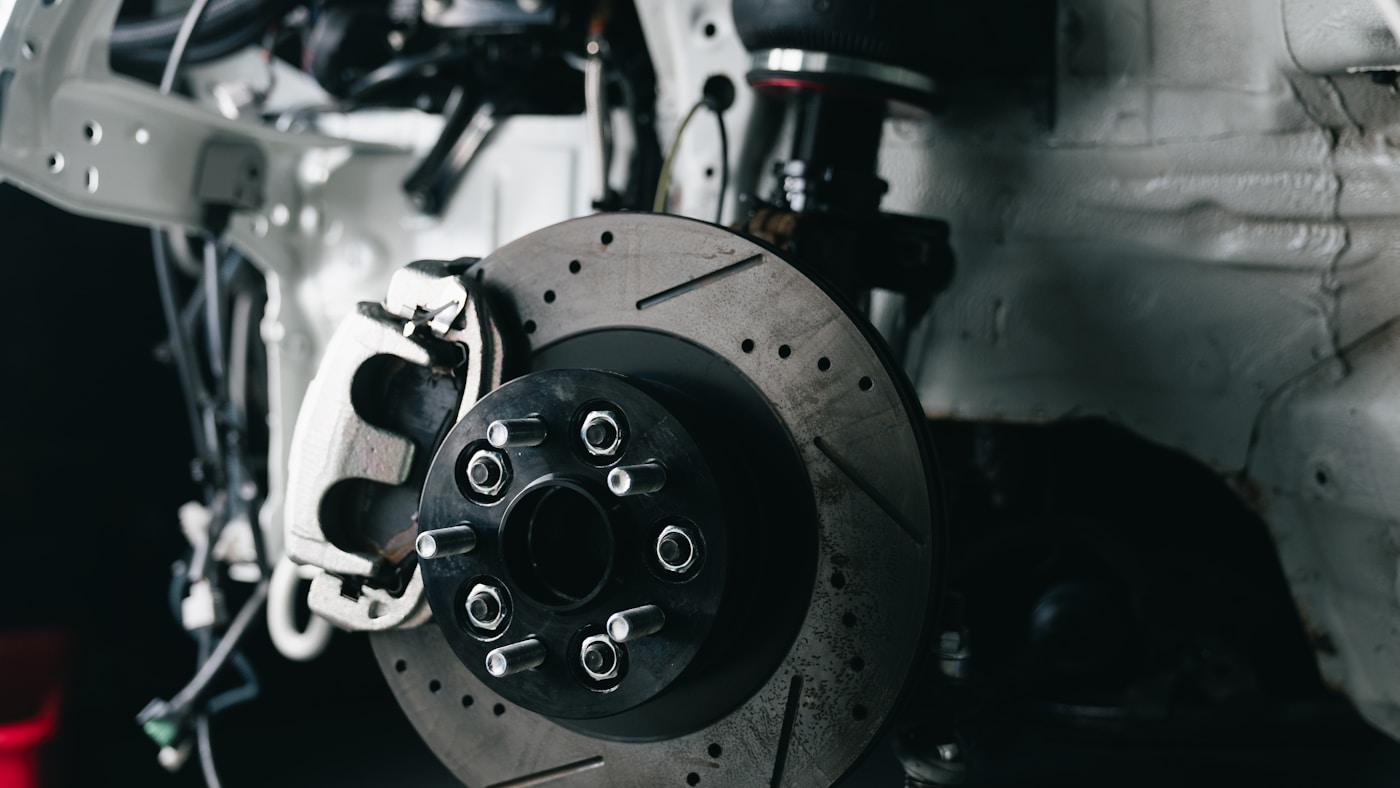
Brake Repair in Raleigh, NC
Pads, rotors, fluid flush, caliper service, and ABS diagnostics for all vehicle makes. We offer a free brake inspection before any work begins — we show you what we find and explain what it costs before we touch anything. Same-day service available, open Monday through Saturday.
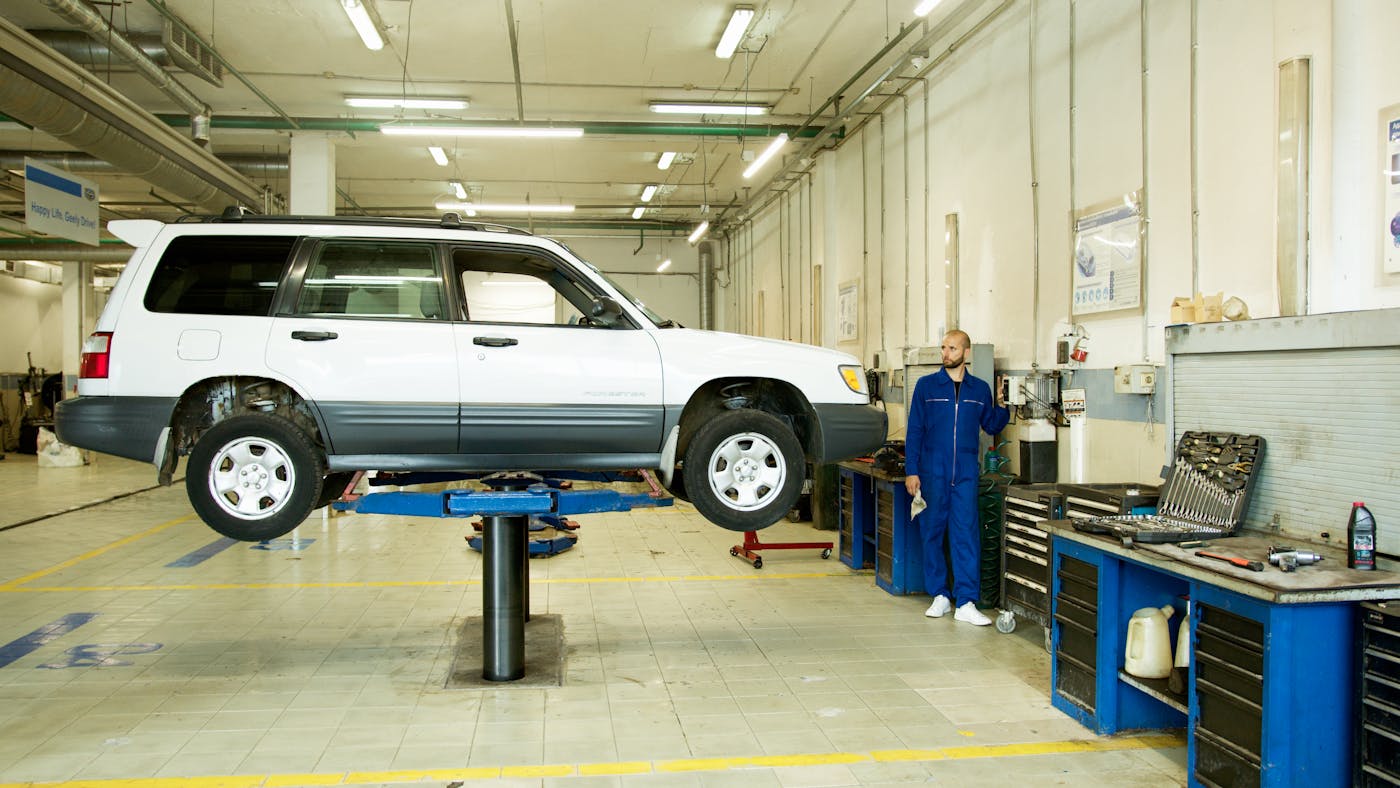
Brake Services We Provide
Why Brake Service Matters More Than You Think
When pads wear thin, stopping power drops gradually — so gradually that most drivers don't notice until the damage spreads to the rotors. A $200 pad job that gets ignored turns into a $600 rotor and pad replacement. Catching problems early is always cheaper and safer.
Every brake service starts with a free inspection — we measure pad thickness, check rotor condition, and test fluid before quoting anything. If you're also due for an oil change, we can handle both in one visit. You see the findings and approve the work before we start. Quality parts matched to your vehicle, and we stand behind every job.
- Free brake inspection with pad and rotor measurement
- Ceramic and semi-metallic pads matched to your vehicle
- OEM-spec rotors — machined or replaced based on condition
- Same-day service for most pad and rotor jobs
- All makes and models — domestic, Japanese, and European
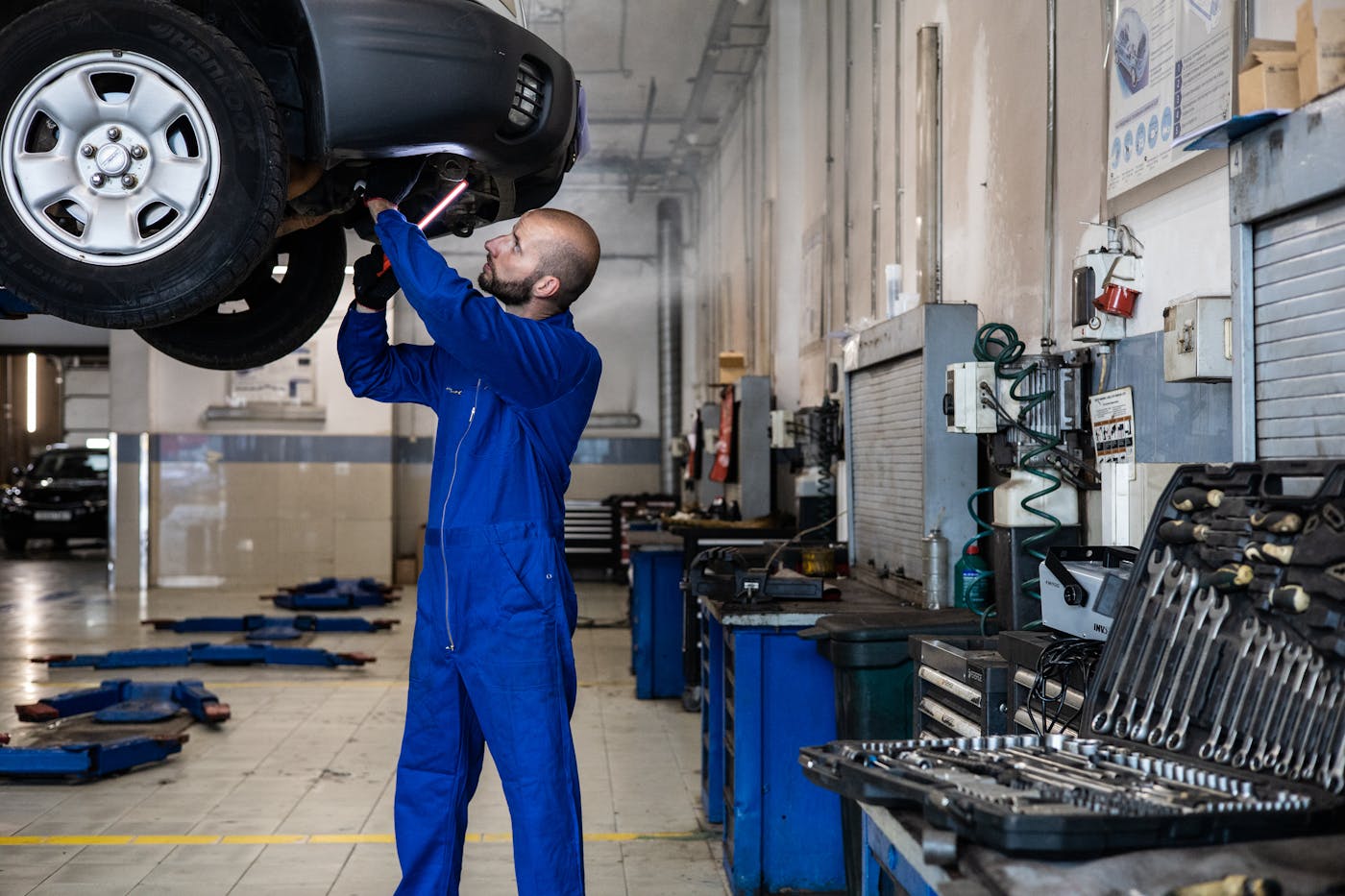
How Do You Know You Need Brake Service?
If you notice any of these symptoms, your brakes need attention. Some are urgent. Don't wait for a failure.
Squealing or Squeaking When Braking
What it means: Most pads have a built-in wear indicator — a metal tab that contacts the rotor when pads get thin. That squeal means pads are approaching end of life.
Urgency: Medium — schedule within 1-2 weeks.
Grinding Metal-on-Metal Sound
What it means: Pad material is completely gone and the metal backing plate is grinding against the rotor. This damages rotors rapidly and increases repair cost.
Urgency: High — stop driving and get it inspected immediately.
Pulsating or Vibrating Brake Pedal
What it means: Rotors are likely warped from heat cycling. The constant stop-and-go on I-440 during an evening commute back to Cary generates intense friction and heat that accelerates rotor wear. Hard braking or sustained downhill braking causes uneven thickness, felt as a pulsation through the pedal.
Urgency: Medium — safe short-term but worsens over time.
Soft or Spongy Brake Pedal
What it means: Air in the brake lines or a fluid leak. The pedal feels soft because hydraulic pressure isn't fully reaching the calipers.
Urgency: High — potential brake failure risk. Get inspected promptly.
Vehicle Pulling to One Side
What it means: A sticking caliper or uneven pad wear is causing one side to brake harder than the other, or a collapsed hose is restricting fluid flow.
Urgency: Medium — schedule an inspection soon.
Brake Warning Light on Dashboard
What it means: Low brake fluid, worn pads (on vehicles with electronic sensors), or an ABS issue. May also indicate the parking brake is partially engaged.
Urgency: Medium-High — get a diagnostic check to identify the cause.
Pad Replacements, Fluid Flushes and Caliper Care
From routine pad replacement to complex ABS diagnostics, here's a closer look at each service we offer.
Brake Pad Replacement
Ceramic, semi-metallic, and organic pads matched to your vehicle. Ceramic pads are quiet and low-dust for daily drivers. Semi-metallic handles heat better for trucks and performance vehicles. We measure rotor thickness during every pad job to ensure a proper mating surface.
Rotor Resurfacing & Replacement
When rotors develop grooves or thickness variation, they need machining or replacement. We measure every rotor with a micrometer — if it's above minimum thickness, resurfacing works. Below minimum means new OEM-spec rotors for safe, effective braking.
Brake Fluid Flush
Brake fluid absorbs moisture over time, lowering its boiling point and corroding internal components. A complete flush replaces contaminated fluid with fresh DOT 3, DOT 4, or DOT 5.1, restoring full pedal feel and stopping performance.
Caliper Repair & Replacement
Sticking or seized calipers cause uneven pad wear, pulling, and heat buildup. We rebuild calipers when the piston and bore are good, or replace them when corrosion is too severe for repair.
ABS Diagnostics & Repair
When the ABS light comes on, it could be a wheel speed sensor, wiring fault, or failing module. We use factory-level scan tools to read codes and pinpoint the exact component, so you aren't paying for guesswork.
Brake Line Inspection & Repair
Steel lines corrode and rubber flex hoses deteriorate internally over time. We inspect the entire system for leaks, corrosion, and swelling during every brake service to catch problems before failure.
Emergency & Parking Brake Service
If your parking brake doesn't hold on hills or feels loose, the cable or rear brake shoes may need service. We adjust, repair, or replace parking brake components to restore proper holding force.
Brake Noise Diagnosis
Not every noise means worn pads. Grinding can come from dust shields, squealing from glazed pads, clicking from loose hardware. We also check for worn suspension components that can contribute to noise and uneven braking. We isolate the source so we fix the actual problem, not replace parts unnecessarily.
Your Brake Repair Visit
From inspection to road test — every step before you pay.
Call or Drive In
Tell us what's going on. Walk-ins welcome, or call ahead to schedule a time.
Free Brake Inspection
We measure pad thickness, check rotors, test fluid, and inspect the system. We show you what we find.
Transparent Estimate
Detailed, itemized quote before any work begins. No hidden fees, no add-ons you didn't approve.
Expert Repair & Test
We complete the repair, test drive to verify, and confirm everything is right before you leave.
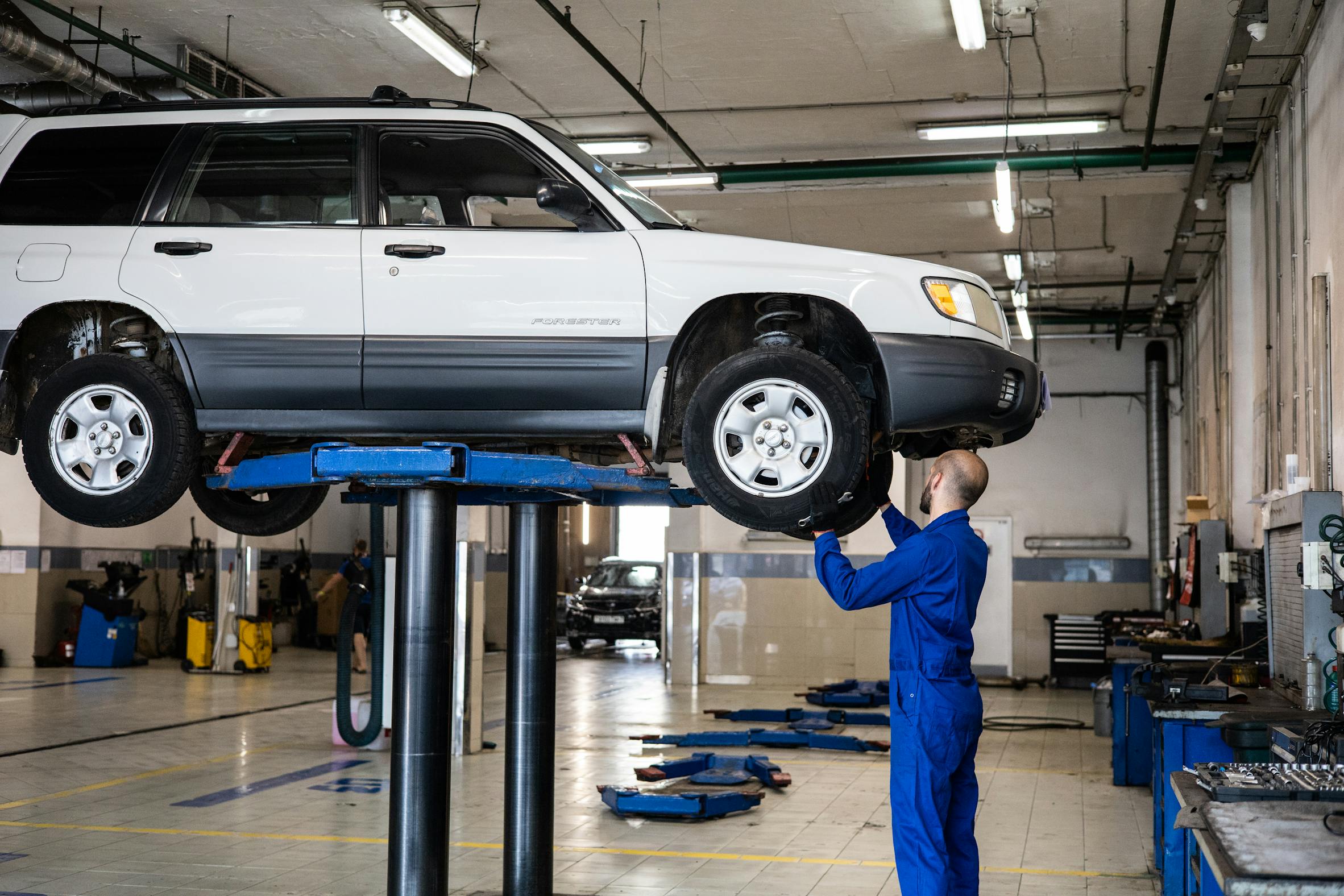
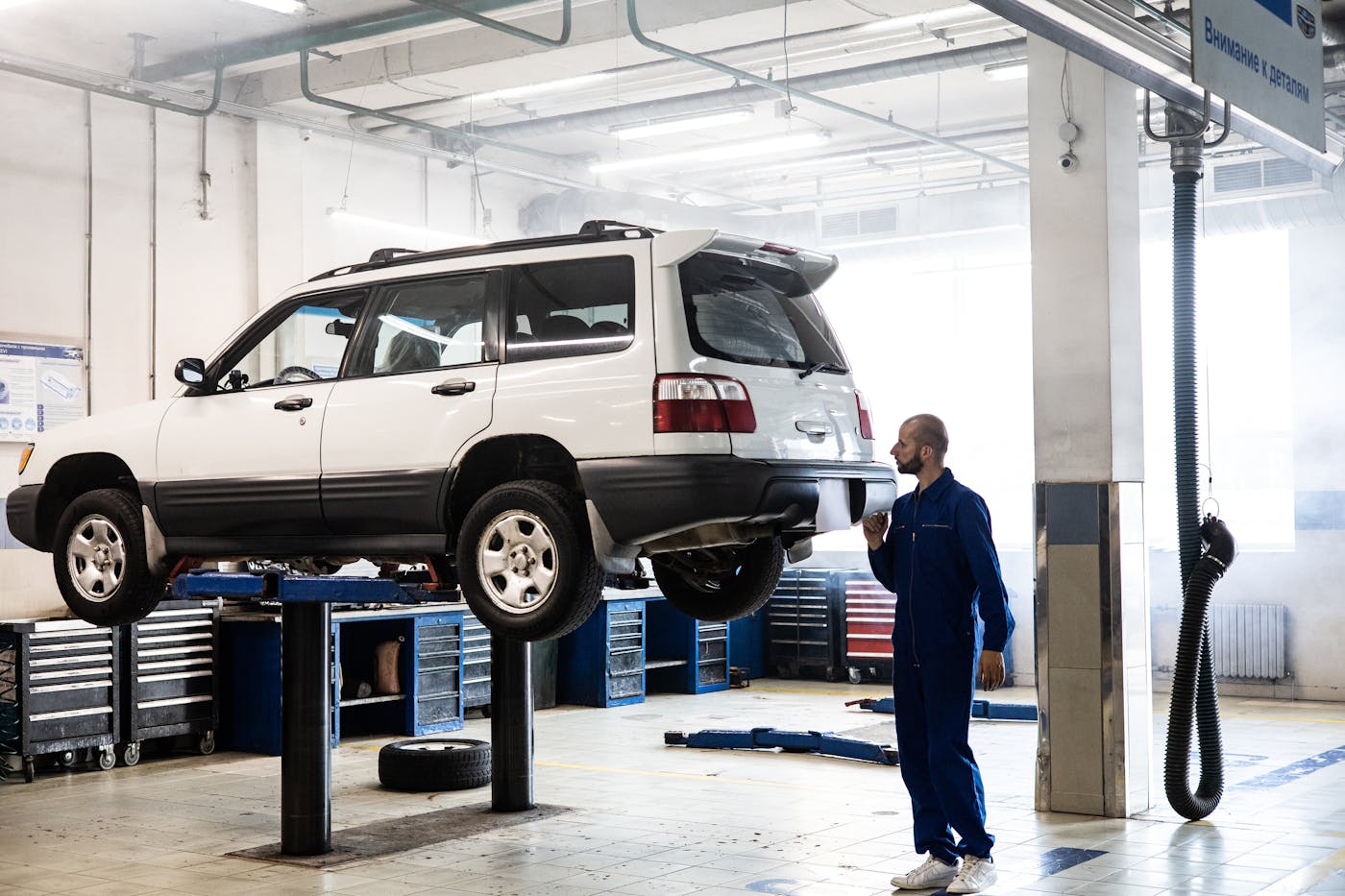
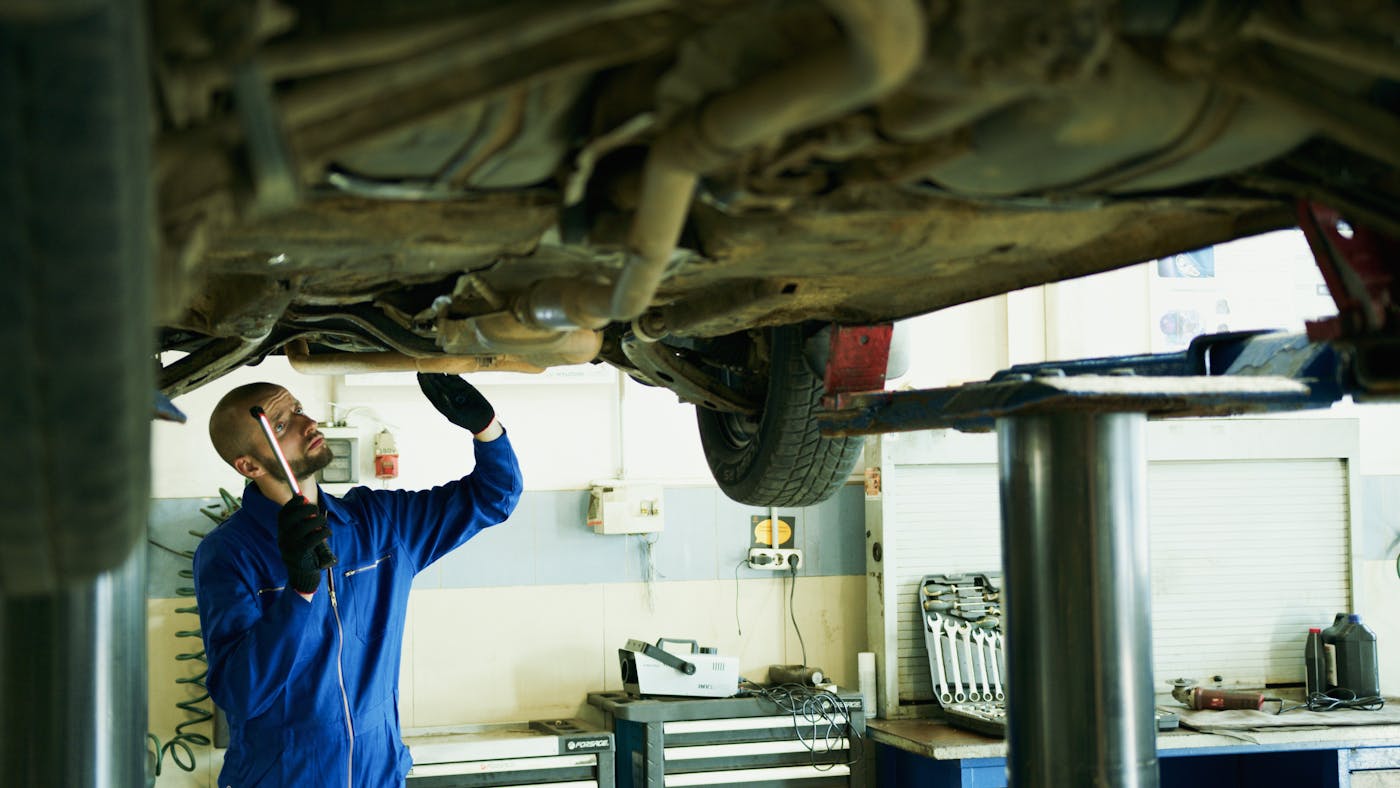
Brake Jobs Up Close
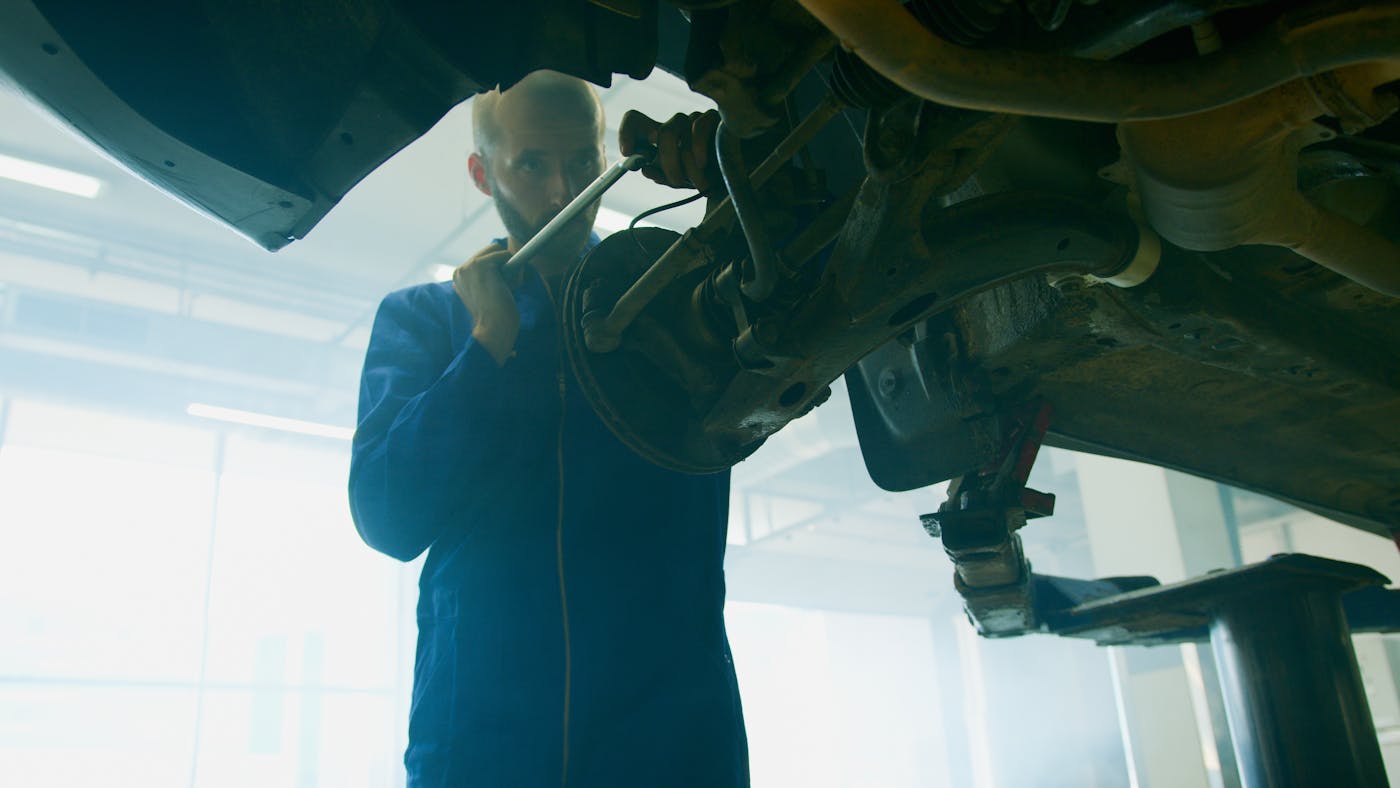
Brake Repair Costs, Timelines & What to Expect
Ignored Pads = Rotor Damage
A pad job caught early costs $150–$300 per axle. Most Raleigh dealerships charge $350–$500 for the same front brake job, and Brake Masters on Capital Blvd runs similar prices for pads only. Let the pads wear to metal and the rotors score — that turns a simple job into a $400–$900 repair. Catching it at the squeal stage is always cheaper.
Warped Rotors Don’t Self-Correct
A pulsating pedal means rotors are already uneven from heat stress. Driving on warped rotors accelerates caliper wear. Resurface or replace now and avoid a cascading repair bill later.
Soft Pedal Means Flush Now
Brake fluid absorbs moisture over time. As it degrades, boiling point drops and pedal feel goes soft. A $80–$120 flush restores full hydraulic pressure — skipping it can lead to vapor lock in hard-braking situations.
Sticking Caliper Kills Pads Fast
A seized caliper drags the pad against the rotor continuously, wearing out pads in 10,000 miles or less instead of 30,000–50,000. It also generates heat that warps the rotor on that corner.
Inspect Every 10K Miles
Pads last 30,000–50,000 miles. Rotors last 50,000–70,000 miles. A quick check every 10,000 miles catches thin pads before they score the rotor surface and double your repair cost.
ABS Light Is Not Optional
A failed wheel speed sensor disables ABS on all four wheels. In a panic stop on wet pavement — common on I-440 in rain — ABS is the difference between controlled braking and a skid. Diagnostics run $80–$150 and identify the exact component.
Common Questions From Brake Customers
Complete Car Care Beyond Brakes
Don't Ignore the Signs. Get Your Brakes Checked.
Whether you're commuting from Apex or driving through Capital Blvd traffic, your safety is worth a phone call. Free inspection, honest pricing, same-day service.
(984) 254-5642