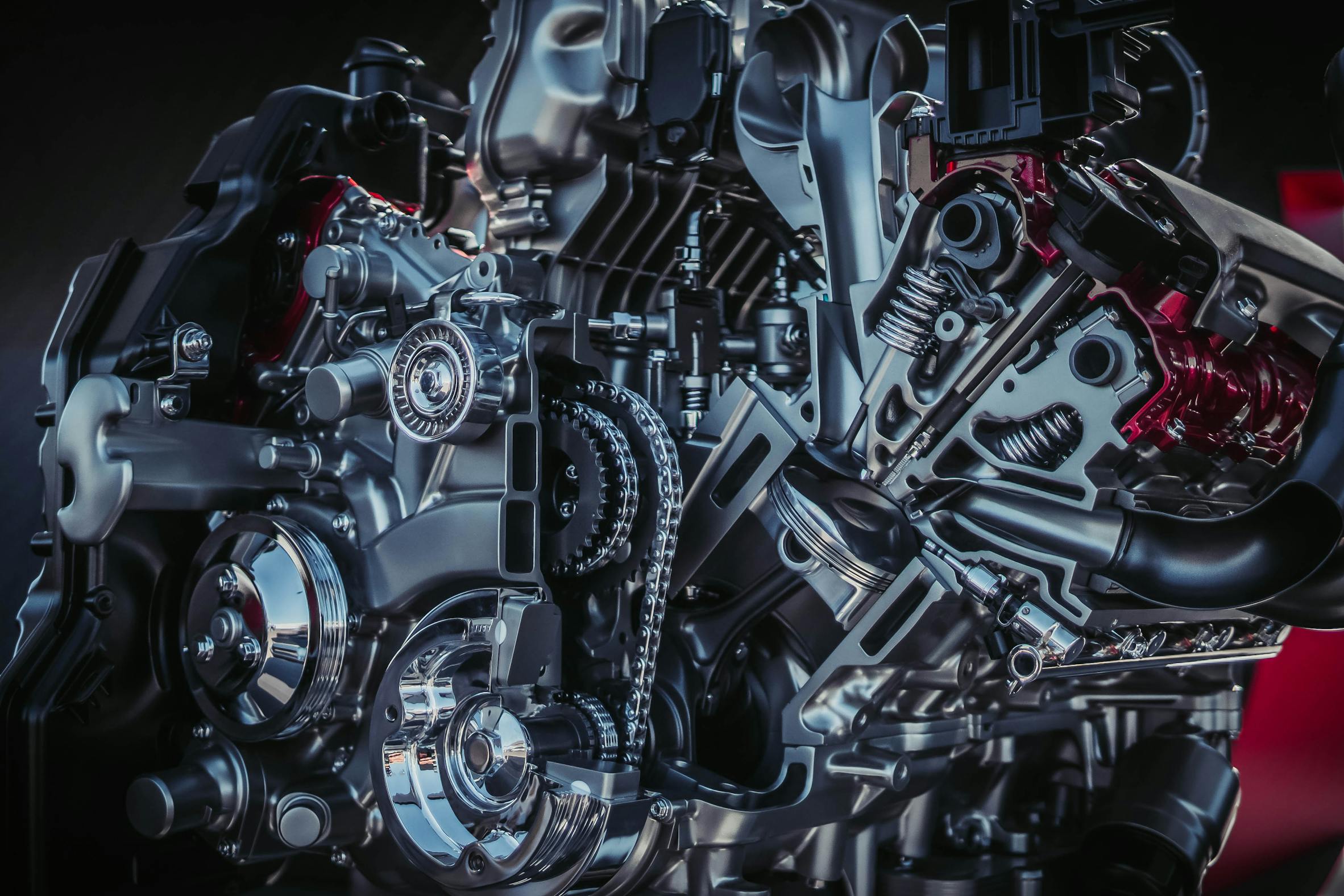
Radiator Repair & Cooling System Service in Raleigh, NC
An overheating engine can turn a simple drive into a tow truck call. If your temperature gauge is climbing, coolant is leaking, or you smell something sweet under the hood, we'll find the problem and fix it right. Radiator repair, water pump, thermostat, hoses — all makes, all models.
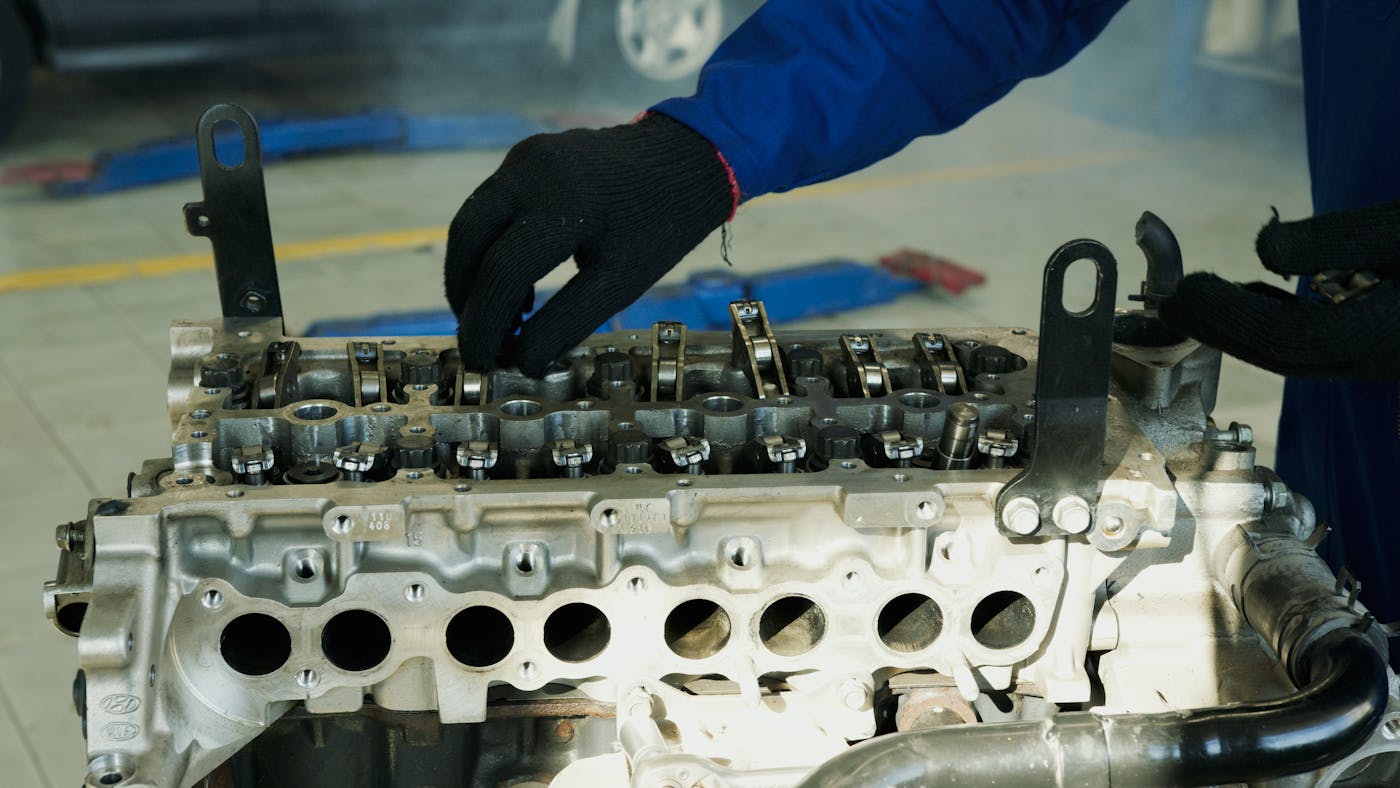
Cooling System Services We Offer
Preventing Overheating With Expert Radiator Care
Your engine's cooling system keeps metal parts from warping under extreme heat. Getting stuck in gridlock on Capital Blvd or making a slow commute down to South Raleigh strips your radiator of the steady airflow it needs, exposing hidden weaknesses in your water pump or thermostat. When the radiator, water pump, or thermostat fails, temperatures climb fast and expensive engine damage follows. We see cooling system problems daily at our Raleigh shop — cracked radiator tanks, leaking hoses, stuck thermostats, and worn-out water pump bearings. Most of these issues give warning signs well before the engine overheats.
Every cooling system service starts with a pressure test so we know exactly where the leak is before quoting anything. No guesswork, no parts-swapping — just an honest diagnosis and a clear estimate before any work begins.
- Pressure testing to locate leaks — radiator, hoses, heater core, water pump
- Radiator repair and replacement for cracked tanks or corroded cores
- Water pump, thermostat, and coolant hose service for all makes
- Coolant flush with manufacturer-specified fluid — not generic green
- Written estimate before work begins
How Do You Know Your Cooling System Needs Repair?
Catching these symptoms early can save you from a roadside breakdown and a costly engine repair.
Temperature Gauge Running Hot
What it means: A failing thermostat, worn water pump, or coolant leak is preventing proper heat transfer. The gauge may climb slowly or spike suddenly.
Urgency: High — pull over and shut off the engine if the needle hits the red zone. Continued driving causes head gasket or engine block damage.
Coolant Puddle Under the Car
What it means: A cracked radiator, leaking hose, or water pump seal is letting coolant escape. The puddle is usually bright green, orange, or pink depending on the fluid type.
Urgency: Medium-High — the system loses pressure and the engine overheats once enough fluid is gone.
Sweet Smell From the Engine
What it means: Coolant is leaking onto hot engine parts and evaporating. Ethylene glycol has a distinct sweet odor you can smell inside the cabin or under the hood.
Urgency: Medium — the leak will get worse over time. Schedule service before the level drops low enough to overheat.
White Smoke From Exhaust
What it means: A head gasket leak is allowing coolant into the combustion chamber, where it burns off as white steam. You may also notice the coolant reservoir dropping without visible leaks.
Urgency: High — this is a serious condition. Driving with a blown head gasket causes permanent engine damage.
Heater Blowing Cold Air
What it means: Low coolant level, a stuck thermostat, or an air pocket in the system is preventing hot coolant from reaching the heater core inside the dash.
Urgency: Low-Medium — not an emergency, but it indicates a cooling system issue that will worsen. Have it checked at your next service visit.
Water Pumps, Thermostats and Coolant Solutions
From a quick thermostat swap to a complete radiator replacement.
Radiator Repair & Replacement
Cracked plastic end tanks and corroded aluminum cores are the most common radiator failures we see. Older vehicles with high mileage are especially prone. We pressure test to confirm the leak location, then replace the radiator with an OE-fit unit. Most replacements run $300-$800 depending on the vehicle.
Water Pump Replacement
The water pump circulates coolant through the engine and is driven by the timing belt or serpentine belt. When the bearing wears out or the seal leaks, coolant drips from the weep hole. We often replace the water pump alongside a timing belt service to save labor cost.
Thermostat Replacement
A thermostat stuck closed causes rapid overheating. Stuck open, and the engine never reaches operating temperature, which hurts fuel economy and heater output. Replacement is usually straightforward and one of the more affordable cooling system repairs.
Coolant Flush
We drain the old coolant, flush the entire system to remove scale and sediment, then refill with manufacturer-specified fluid. Mixing coolant types can cause gel buildup that clogs the heater core. We use the correct formulation for your vehicle. We also check coolant condition during every oil change visit.
Hose Replacement
Upper and lower radiator hoses, heater hoses, and bypass hoses degrade from the inside out. By the time a hose looks swollen or cracked on the outside, it's already overdue. We inspect all hoses during any cooling system service and replace any that show wear.
Head Gasket (Cooling Related)
A blown head gasket lets coolant leak into the cylinders or mix with engine oil. Symptoms include white exhaust smoke, milky oil, and a coolant reservoir that keeps dropping. This is a major repair, but catching it early avoids a full engine replacement.
Heater Core Service
A leaking or clogged heater core causes no cabin heat in winter and a sweet coolant smell inside the vehicle. The core sits behind the dashboard, making access labor-intensive. We flush first when possible — if that doesn't restore heat, we replace the core.
How Cooling System Diagnosis Works
Pressure test first, then a clear repair plan.
Call or Drop By
Tell us what's going on — overheating, leaking, gauge climbing. We get you scheduled quickly.
Cooling System Inspection
We pressure test the system, check the thermostat, water pump, and hoses to find the source.
Clear Estimate
Written estimate with the diagnosis, repair options, and cost. You approve before we start any work.
Running Cool Again
We complete the repair, pressure test the system, and verify normal operating temperature.
Radiator and Cooling Repairs
What Happens If You Ignore Cooling System Problems
A $150 Thermostat Becomes a $3,000 Head Gasket
A stuck thermostat is a quick fix. Keep driving past the red zone and the cylinder head warps. Head gasket repair on a four-cylinder averages $1,500–$3,000. The part that caused it costs under $50.
One Overheating Event Can Crack a Block
Cast iron and aluminum both expand under extreme heat. One sustained overheat can crack the engine block or warp the cylinder head. At that point you're looking at a rebuild or a used engine swap, not a cooling system repair.
A Slow Coolant Leak Drains Your Reservoir Unnoticed
A pinhole in a hose or a weeping water pump seal loses a few ounces per day. You won't see a puddle. The reservoir drops slowly until the engine overheats on the highway. Dealership radiator replacement runs $800–$1,200 in Raleigh — independent shops handle the same job for $400–$700 with equivalent parts. A $60 hose replacement beats a $900 tow and emergency repair.
Old Coolant Corrodes From the Inside Out
Coolant becomes acidic over time. Acidic coolant eats aluminum radiator fins, water pump impellers, and gasket seals. The damage is invisible until a hose blows or the radiator starts leaking. A coolant flush every 30,000 miles prevents all of it.
White Exhaust Smoke Means Coolant in the Combustion Chamber
If coolant is burning in the cylinders, the head gasket is already compromised. Continued driving hydrolocks the engine — coolant doesn't compress like air, and the result is bent connecting rods. Catch a blown head gasket early and you have options. Catch it late and you don't.
No Heat in the Cabin Is a System Problem, Not a Comfort Issue
Heater blowing cold is usually low coolant, a stuck thermostat, or an air-locked system. All three signal a cooling system that's already compromised. The heater core is fine — until it isn't. A clogged or leaking heater core sits behind the dashboard and takes 6–10 hours to replace.
Questions About Engine Temperatures and Radiators
Additional Maintenance for Your Vehicle
Don't Wait for It to Overheat
Cooling system problems only get worse, whether you're idling on I-440 or parked in North Hills. Get it checked before it damages your engine.
(984) 254-5642